What Is a Mortise Lock and Why Oyster Bay Homes Rely on Them
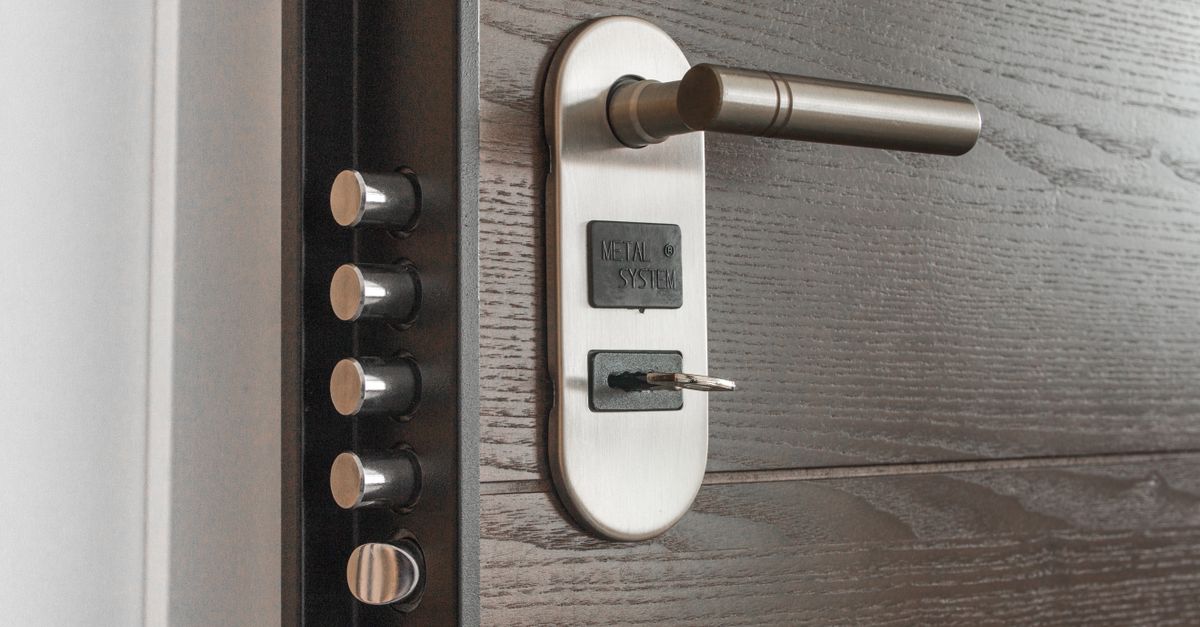
A mortise lock is fundamentally different from the cylindrical locks sold at hardware stores. Instead of a bored hole through the door face, a mortise lock requires a deep, precisely cut pocket — the mortise — routed into the door edge. The lock body sits inside that pocket, and the trim on both faces of the door (knobs, levers, or handles) connects through a spindle to the internal mechanism. The result is a lock that can simultaneously control a spring latch for everyday entry and a deadbolt for security, all through one integrated unit. Many also include a privacy button, a passage function, and auxiliary latches — features that required multiple separate locks to replicate in newer cylindrical hardware.
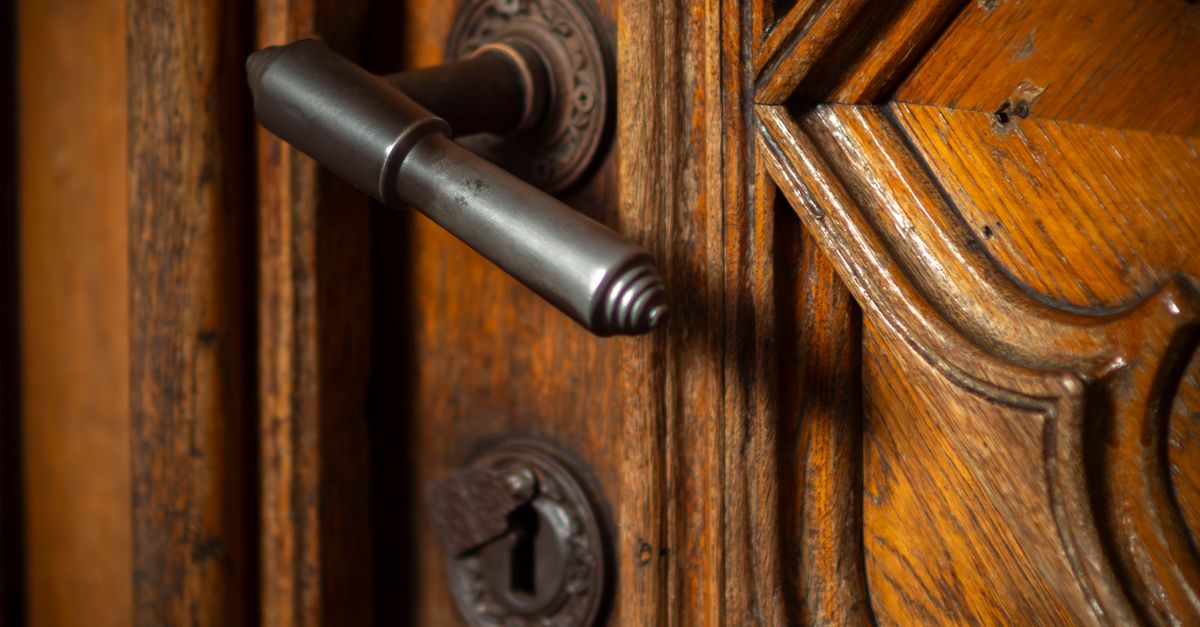
For Oyster Bay homeowners, this matters because so much of the local housing inventory predates the cylindrical lock era entirely. Properties near Theodore Roosevelt's Sagamore Hill National Historic Site and throughout the historic district were built when mortise hardware from manufacturers like Corbin Russwin was the default choice for quality construction. Swapping out a mortise lock for a modern cylindrical unit typically means significant door modification, which can damage historic millwork and potentially affect property value. In most cases, repairing the existing mortise lock set — or replacing it with a matching mortise lock set for the exterior door — is the more sensible path, and it is the service our technicians perform every week across this area.