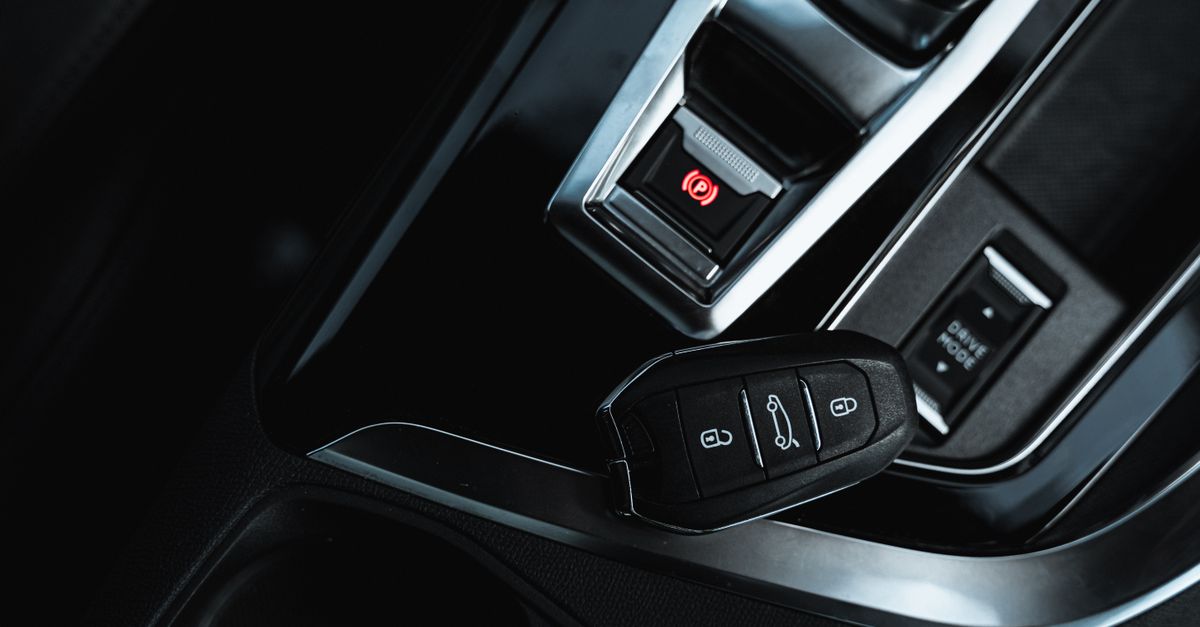
Hyundai Car Key Replacement: What Makes Modern Hyundai Keys Different
Hyundai has steadily advanced its vehicle security across model lines, which means the replacement process varies significantly depending on your year, model, and trim. A basic Hyundai Elantra from the early 2010s may use a transponder key — a physical blade with an embedded microchip that must be cloned or programmed to match your vehicle's immobilizer. Newer Elantra, Tucson, and Kona models increasingly use proximity smart keys with push-to-start functions, where the fob communicates wirelessly with the car's body control module at very close range. Santa Fe and Sonata models in higher trims often feature Hyundai's Blue Link-compatible smart entry, adding another layer of software pairing. Each of these key types requires different tools and programming protocols — our technicians arrive with the equipment to handle all of them.
If you have a Hyundai Sonata with locked keys in the car, or a Hyundai Tucson with a completely dead key fob and no spare, the situation calls for two distinct skill sets: a safe, damage-free lockout entry, and then on-site key programming. We do both in a single visit. Many drivers in the Oyster Bay area are surprised to learn that a dealer replacement often requires towing the vehicle to the service bay, waiting days for a parts order, and paying dealership labor rates. Our mobile service eliminates those delays entirely — we come to your driveway, your office parking lot, or a roadside location, and in most cases we have you driving again within the same service call.